Community
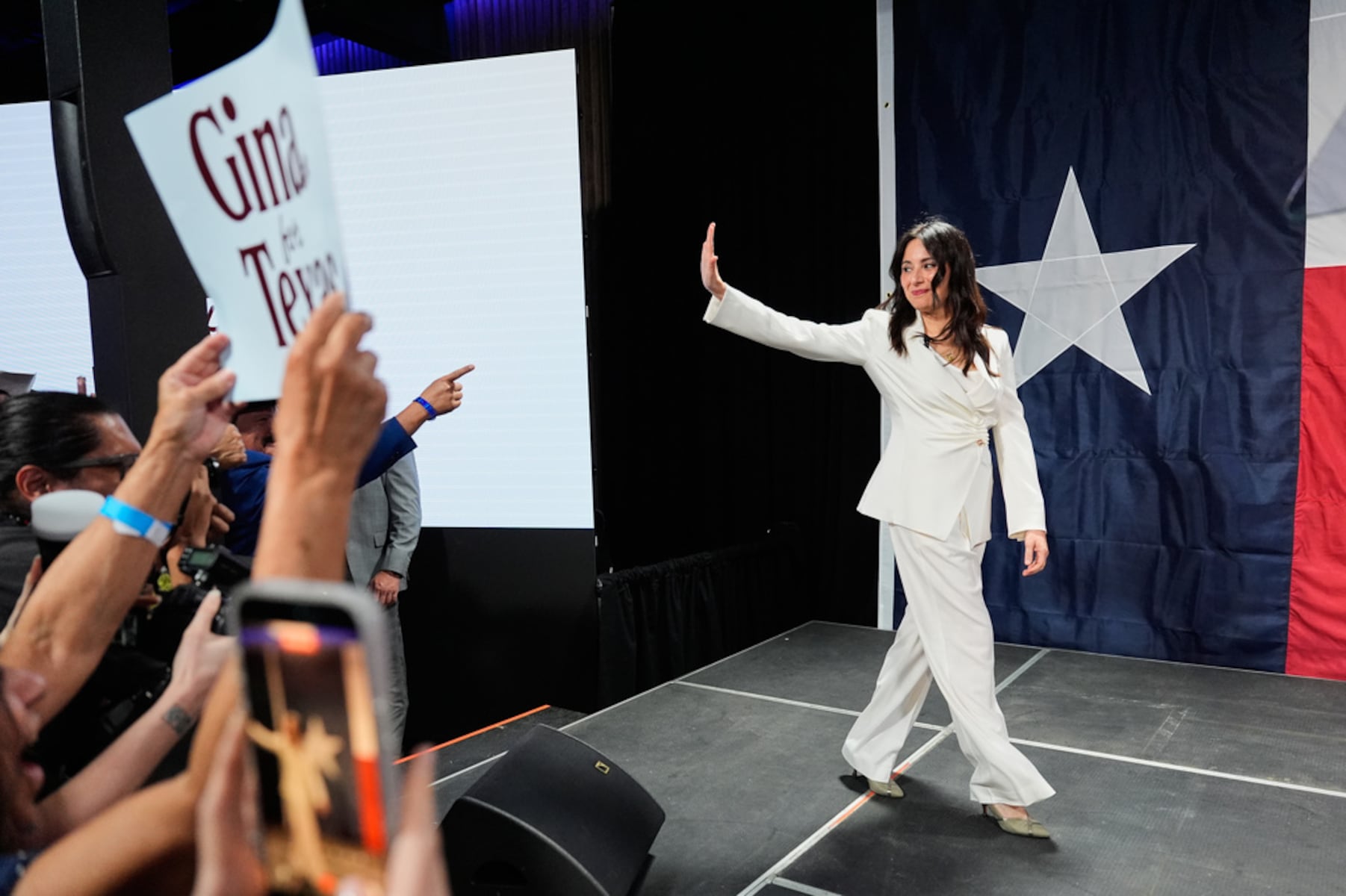
3 things Texas’ Democratic governor plans to do
By Jamal Wright
Advertisement · Why this ad?
Jamal holds a degree in Sociology from the University of Delaware and has 5 years of experience writing about community issues and grassroots movements for local newspapers. He is deeply rooted in Allentown and passionate about local activism.
More from Jamal →
On a quiet street in Allentown, Maria Gonzalez stood by her kitchen sink, scrubbing a pile of dishes by hand. For the past decade, she had been meticulously cutting back on her electricity consumption, convinced that her efforts would lead to lower bills. However, a recent discovery turned her world upside down: she was not just paying for her own electricity, but also for someone else's. This revelation has sparked a larger conversation about transparency and fairness in utility billing, revealing a problem that could affect many renters in the area.
Maria's story began when she received her latest electric bill from PPL Electric Utilities. For years, she had taken pride in her energy-saving habits, from using energy-efficient bulbs to unplugging appliances when they weren't in use. Yet, despite her efforts, her bills remained high. After a phone call to PPL, she discovered that her account had been linked to another resident's usage. The realization that she had been financially supporting someone else's electricity needs for a decade was shocking.
Maria's situation is not unique. In Allentown, many renters face similar challenges, often unaware of the intricacies of their utility billing. According to PPL, billing errors can occur due to a variety of reasons, including miscommunication between landlords and utility companies. In Maria's case, the mix-up stemmed from a previous tenant's account that had not been properly closed.
The news of Maria's experience has resonated deeply within the Allentown community. Local residents have begun to share their own stories of confusion and frustration regarding utility bills. “It’s infuriating to think that I could be paying for someone else’s electricity,” said local resident James Rivera. “We already struggle to make ends meet; this just adds to the burden.”
Many community members have taken to social media to express their outrage. A Facebook group dedicated to Allentown renters has seen a surge in activity, with individuals sharing tips on how to navigate utility billing and advocating for more transparency from utility companies. Residents have called on local officials to address the issue and ensure that such billing errors are rectified swiftly.
Local advocacy groups, such as the Lehigh Valley Chamber of Commerce, are also stepping in to provide resources and support for renters facing similar issues. “We need to stand together as a community,” said Maria, who has become a spokesperson for those affected. “If we don’t speak up, nothing will change.”
This situation highlights a broader issue affecting families in Allentown and beyond. High utility bills can strain household budgets, particularly for low-income families. The financial impact is compounded when individuals unknowingly pay for others’ electricity, diverting funds that could be used for essential needs such as food, healthcare, and education.
Maria's story serves as a reminder of the importance of vigilant financial management, especially for renters who may not have direct control over their utilities. “We should not have to worry about being charged for someone else’s usage,” she remarked. “It’s a matter of fairness and accountability.”
As the community rallies around Maria, several local organizations are stepping up to provide resources for renters. The City of Allentown has launched initiatives aimed at educating residents about their rights regarding utility billing and providing assistance for those facing financial hardship.
Additionally, the Pennsylvania Public Utility Commission has resources available for consumers to file complaints and seek resolution for billing disputes. Understanding these rights is crucial for renters who may feel powerless in navigating complex utility systems.
As Maria continues to advocate for herself and others, she remains hopeful that change is on the horizon. “I believe that if we come together, we can make a difference,” she said during a recent community meeting. Local officials have begun to take notice, and discussions are underway to improve communication between utility companies and renters.
In the coming months, community forums will be held to address these issues directly, allowing residents to voice their concerns and seek solutions. These forums will not only focus on utility billing but also on broader issues affecting renters in Allentown, such as housing stability and tenant rights. The hope is that through collective action, Allentown can foster a more equitable environment for all its residents.
The Allentown City Council has also discussed potential legislation that could mandate clearer communication from utility companies regarding billing practices. This proposed legislation aims to establish a more transparent process for renters, ensuring they are only charged for their own usage. Advocates believe that such measures could prevent situations like Maria's from occurring in the future.
Maria's journey has highlighted the importance of community support and advocacy. As she reflects on her experience, she acknowledges that while the road ahead may be challenging, the solidarity among residents offers a glimmer of hope. “We are all in this together,” she concluded. “And together, we can ensure that our voices are heard.”
In the wake of Maria's experience, a grassroots movement is forming among renters in Allentown. Community members are organizing workshops focused on educating tenants about their rights, utility billing, and energy conservation techniques. These workshops aim to empower renters, providing them with the tools they need to advocate for themselves and their neighbors.
Maria's story is not just about one individual’s struggle; it represents a systemic issue that many face in Allentown. As the community comes together to address these challenges, it sets a precedent for other cities facing similar issues across the country. The hope is that by raising awareness and advocating for change, Allentown can become a model for transparency and fairness in utility billing.
Allentown, with its diverse population and a significant number of renters, is at a crossroads regarding utility billing practices. Many residents work low-wage jobs and often rely on public assistance, making the burden of unexpected utility costs even heavier. The implications of Maria's situation extend beyond her individual experience; they highlight a systemic issue that can destabilize households and contribute to cycles of poverty.
Moreover, the lack of clarity in utility billing can erode trust in local government and utility companies. Residents like Maria are not just fighting for their own rights but are also advocating for systemic changes that could benefit the entire community. The potential for collective action to influence policy changes is a powerful motivator for many residents who have felt voiceless.
As community leaders and advocates continue to push for change, the next steps will involve gathering data on the extent of the problem. Surveys and community outreach efforts will help quantify how many renters have faced similar issues. This data will be crucial in lobbying for legislative changes and ensuring that the voices of Allentown’s renters are heard at the state level.
Additionally, local media outlets are beginning to cover these issues more extensively, shining a light on the struggles faced by renters. Increased media attention can help amplify the message and pressure local officials to act. Maria's story is just the beginning; it is a catalyst for broader discussions about equity and access to essential services in Allentown.
By Jamal Wright

By Jamal Wright

By Jamal Wright
By Jamal Wright