Community
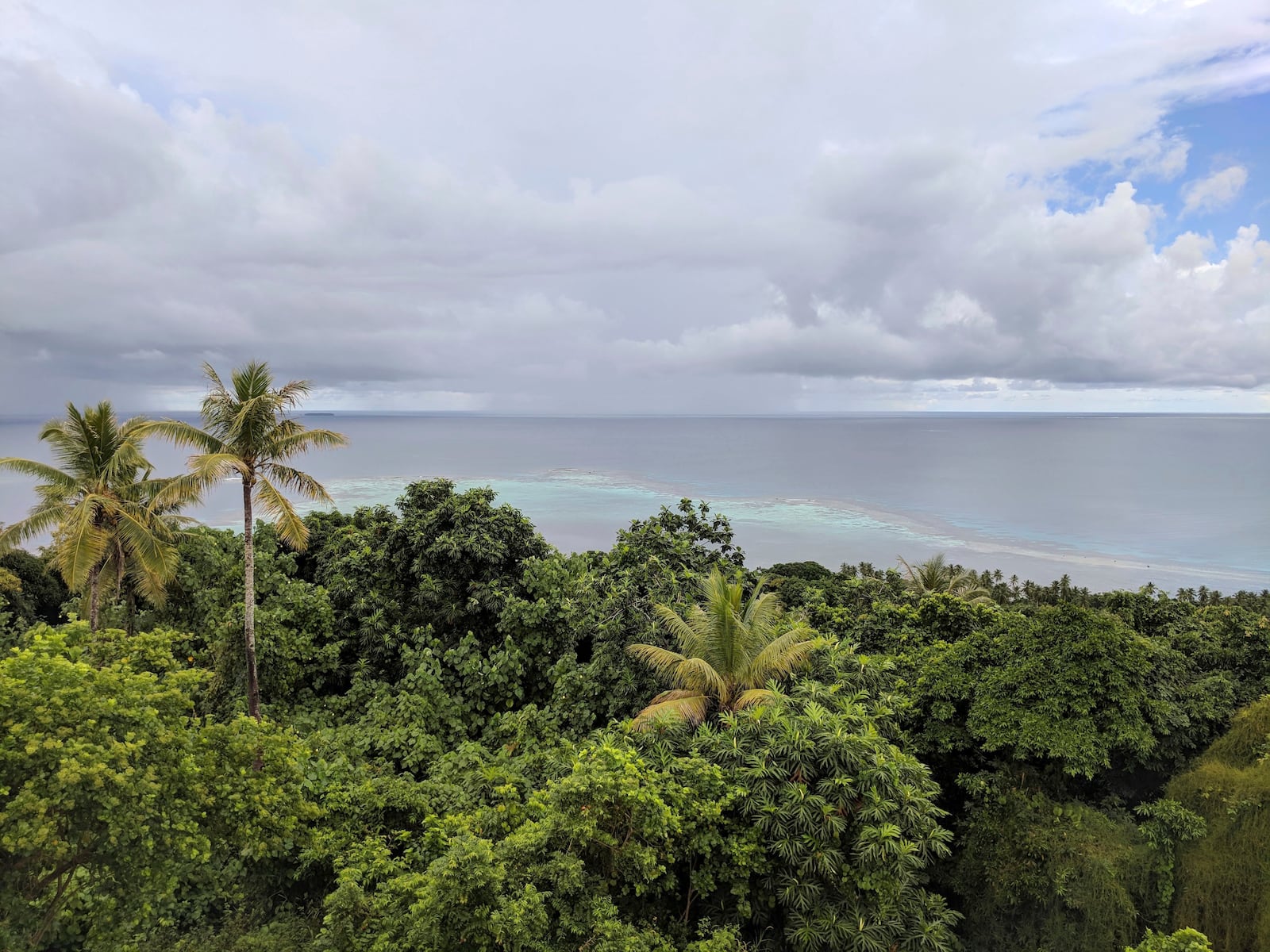
Missing for months, 5 people found alive after what was supposed to be a 1-hour South Pacfic boat trip
By Jamal Wright
Advertisement · Why this ad?
Jamal holds a degree in Sociology from the University of Delaware and has 5 years of experience writing about community issues and grassroots movements for local newspapers. He is deeply rooted in Allentown and passionate about local activism.
More from Jamal →
As the sun dipped below the horizon on a warm evening in Allentown, residents gathered at local cafés and parks, their conversations filled with concern over recent events far from home. In Florida, a catastrophic deluge described by the National Weather Service as a “once in a 1,000-year flood” has wreaked havoc on communities, prompting significant changes to the upcoming elections. This situation serves as a stark reminder of how natural disasters can ripple through our democratic processes, impacting lives in ways we often overlook.
In the wake of unprecedented rainfall, more than 20 polling places across eight counties in Florida have been forced to relocate. The flooding, which has been described as historic, not only disrupted daily life but also raised questions about voter access and the integrity of the electoral process. The Florida Division of Elections is working diligently to ensure that all residents can participate in the upcoming elections, despite the challenges posed by the severe weather.
This adjustment comes at a crucial time, as the state prepares for a pivotal election period. The flooding has prompted officials to assess the safety of polling locations, with some facilities rendered unusable due to water damage and accessibility issues. The relocation of polling places is a logistical challenge that requires quick thinking and responsiveness from local election officials.
The impact of this flooding extends beyond the immediate physical damage; it touches the very fabric of community life. For many Floridians, polling places are not just locations to cast votes; they are hubs of civic engagement where neighbors come together, share ideas, and participate in the democratic process. The changes have stirred anxiety among residents who may now find it more difficult to vote.
Local leaders are urging residents to stay informed about the new polling locations and to plan ahead for potential challenges. “We want to ensure that every voice is heard, and every vote counts,” said Anna Rodriguez, a community organizer in one of the affected counties. “It’s essential that we adapt and find solutions that allow our community to engage in this important civic duty.”
As the state grapples with the aftermath of the flooding, various organizations are stepping up to assist voters. Community groups are mobilizing volunteers to help disseminate information about the new polling places, ensuring that residents understand where they need to go on election day. This grassroots effort highlights the resilience of communities in the face of adversity.
Moreover, local governments are utilizing social media and community bulletins to keep residents updated. The importance of clear communication cannot be overstated, as misinformation can exacerbate the challenges posed by natural disasters. By providing accurate and timely information, officials aim to foster a sense of security and confidence among voters.
The stories of individuals affected by the flooding paint a vivid picture of the challenges they face. Maria Gomez, a retired school teacher in one of the impacted counties, shared her fears about the upcoming election. “I’ve lived here for over 30 years, and I’ve never seen anything like this. It’s heartbreaking to think that my neighbors might not be able to vote because they can’t get to their polling place,” she said. Maria is among many residents who rely on public transportation, which has been severely disrupted due to the flooding.
Similarly, John Miller, a small business owner, expressed concern about the economic implications of the flood. “If people can’t vote, they might feel disenfranchised, and that could lead to a lack of trust in our local government. We need to ensure everyone has a voice, especially during these critical times,” he stated. John has also been actively involved in local initiatives to provide relief to those displaced by the flooding.
Looking ahead, the situation in Florida raises important questions about the future of voting in the face of climate change and extreme weather events. As communities across the nation grapple with similar challenges, it is vital to consider how we can adapt our electoral processes to ensure that democracy remains accessible to all.
In Allentown and beyond, residents are encouraged to reflect on the importance of civic engagement. The right to vote is a cornerstone of our democracy, and it is essential that we protect it, even in the face of natural disasters. Local leaders are calling for discussions about how to improve infrastructure and preparedness for future events, ensuring that our democratic processes are resilient.
The events in Florida serve as a crucial case study for other communities, particularly those in flood-prone areas. Experts suggest that investing in resilient infrastructure, such as elevated polling places and improved drainage systems, could mitigate the impact of future flooding. “We need to learn from this disaster and make changes that will protect our electoral process,” said Dr. Emily Chang, a professor of environmental policy. “It’s not just about this election; it’s about future generations.”
Furthermore, discussions around remote voting options and mail-in ballots have gained momentum, as these alternatives can ensure that all citizens have the opportunity to participate in elections, regardless of their circumstances. As communities navigate these conversations, the balance between accessibility and security in voting remains a hot topic.
As Florida navigates the aftermath of this historic flooding, the experience serves as a powerful reminder of the interconnectedness of our communities. The challenges faced by Floridians resonate with us all, prompting a collective reflection on how we can support one another in times of crisis. By standing together, we can ensure that our democratic values endure, no matter the circumstances.
In Allentown, let us take this moment to appreciate the stability of our own polling places and the strength of our community. As we prepare for our local elections, let us also extend our thoughts and prayers to those affected by the flooding in Florida, remembering that our commitment to democracy is not just about casting a vote, but about fostering a resilient and engaged community.
By Jamal Wright

By Jamal Wright
By Jamal Wright

By Jamal Wright